

Rated 4.8


Indigestion Treatments
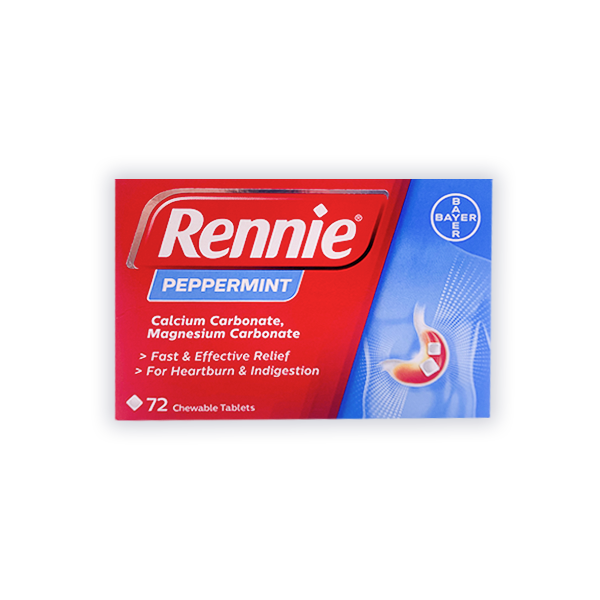
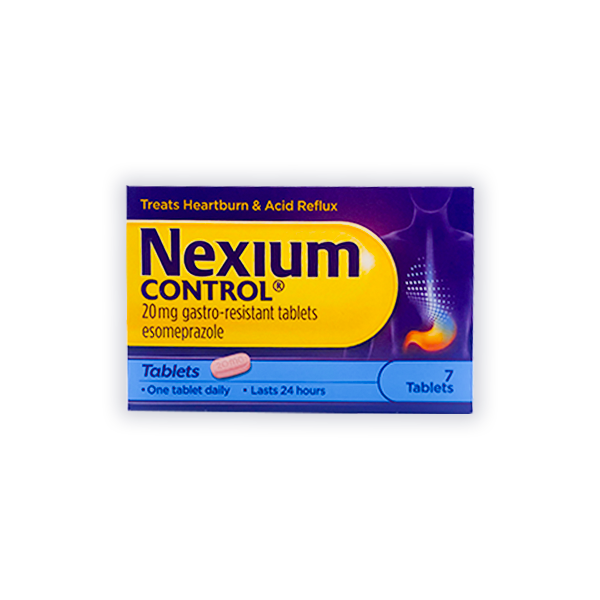
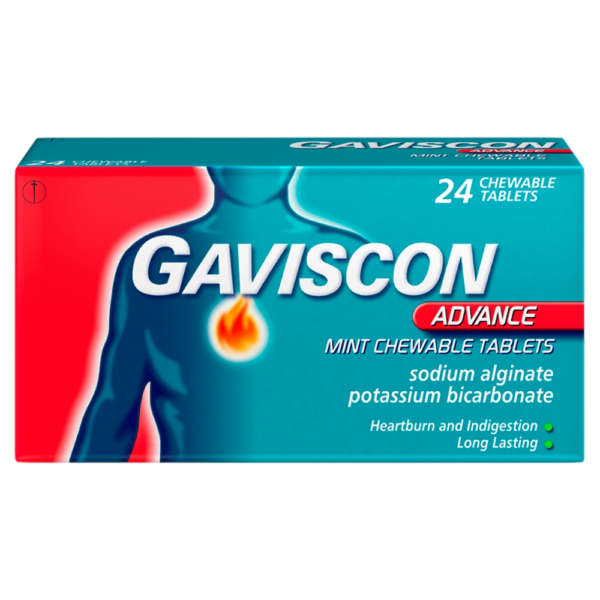
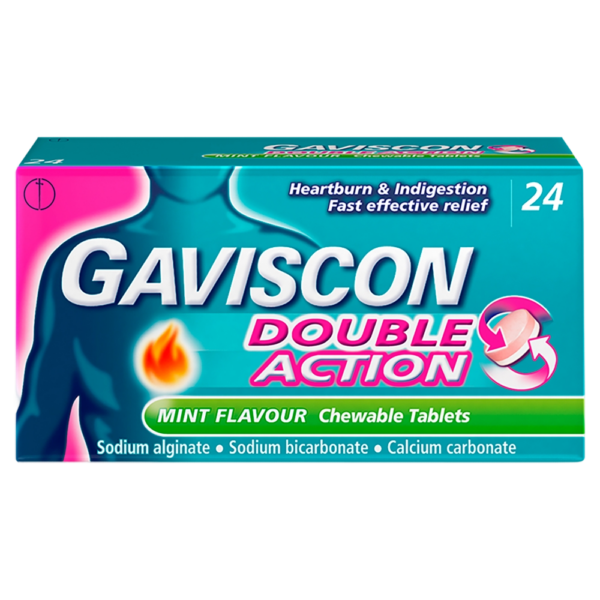
We've got 4 treatments available to assist you with your Indigestion.
Frequently Asked Questions
Have a question? We’re here to help.
What does indigestion feel like?
Indigestion can feel like discomfort, pain or a burning sensation in your upper abdomen or behind your breastbone. Other common symptoms include bloating, excessive burping, feeling unusually full after eating, nausea and an unpleasant, acidic taste in your mouth.
Symptoms often develop shortly after eating or drinking, although they can sometimes occur later. The severity can vary, with some people experiencing mild discomfort and others finding it more painful.
What is indigestion?
Indigestion, medically known as dyspepsia, is a common digestive problem that causes pain or discomfort in the upper abdomen or chest, usually after eating or drinking.
It can occur when stomach acid irritates the lining of the digestive system or when the digestive system becomes sensitive to normal digestive processes. Indigestion can cause symptoms such as bloating, heartburn, nausea and burping.
What causes indigestion?
Indigestion can have several causes, including eating large meals, consuming fatty or spicy foods, drinking alcohol and excessive caffeine consumption. Other contributing factors include smoking, stress, anxiety, pregnancy and being overweight.
Certain medications, particularly anti-inflammatory painkillers such as ibuprofen and aspirin, can also trigger symptoms. Sometimes, indigestion is associated with underlying conditions such as acid reflux, stomach ulcers or a Helicobacter pylori infection.


Superintendent Pharmacist: Justin Dicks 2038305
© Total Access Health LTD. All rights reserved.
Pharmacy Address: 42 Barnard Road, Norwich, NR5 9JB