

Rated 4.8


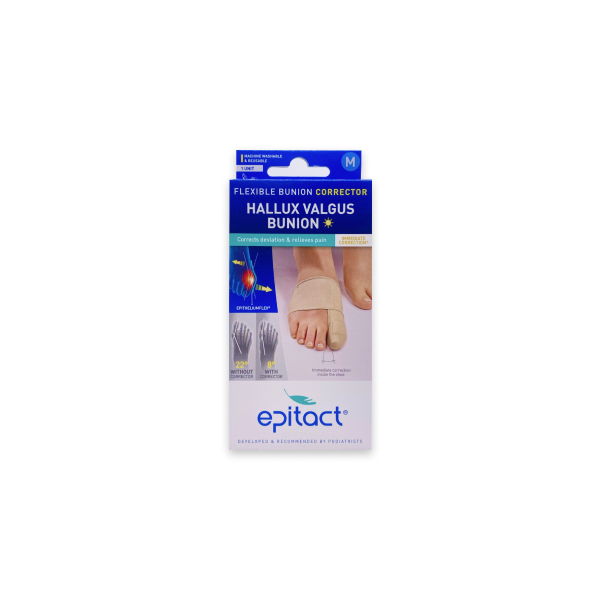
Epitact Bunion Protector
Price Checker

About the product
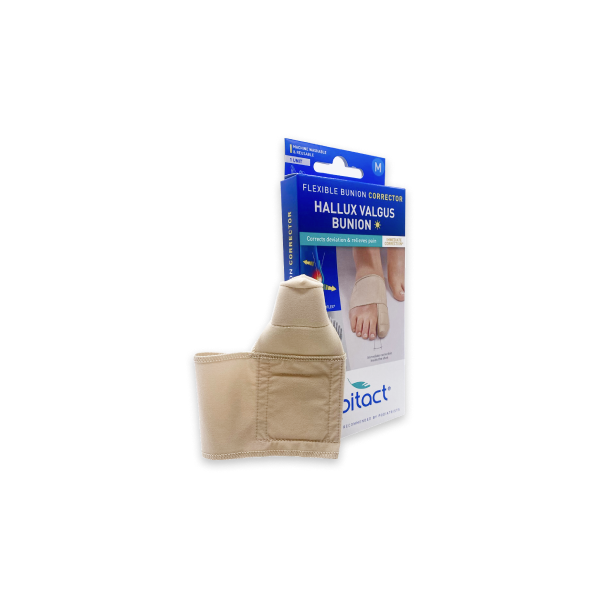
Epitact Bunion Protector is a soft, cushioned pad designed to relieve pressure and friction on bunions, helping to reduce pain and prevent irritation from footwear. Made from a thin, flexible material with a gel insert, it comfortably conforms to the shape of the foot while remaining discreet inside shoes. The protector helps absorb shock, minimise rubbing, and protect the skin over the bunion, making walking and daily activities more comfortable. It is washable and reusable, providing long-lasting relief. Suitable for most shoe types, the Epitact Bunion Protector is ideal for people looking to ease discomfort without bulky supports.
Overview
FAQ
Directions
Side Effects
How it works
Delivery
Ingredients
Warnings
Overview
The EPITACT bunion protector aims to prevent and relieve painful conflicts between the shoe and the bunion while walking.
Sometimes, bunions are so painful that wearing shoes can turn very uncomfortable, even if the bump is small or barely noticeable. When walking, the bunion suffers repeated pressure and rubbing against the shoe, which can cause a lot of discomfort. In some advanced deformities, the forefoot has a triangular shape which makes wearing shoes as difficult as painful.
In those cases, inserting a special protection between your shoe and your bunion can help relieve pain.
Frequently Asked Questions
Have a question? We’re here to help.
Can the Epitact Bunion Protector be worn with shoes?
Yes, the Epitact Bunion Protector is designed to be slim and discreet, making it suitable for use inside most types of footwear. It’s ideal for those looking for pain relief during daily activities without compromising comfort or shoe choice.
Is the Epitact Bunion Protector reusable and washable?
The Epitact Bunion Protector is washable and reusable, making it a cost-effective and eco-friendly option for managing bunion pain. Wash in a machine at 30°C / 86°F or by hand with soap and water (without rubbing) and leave to dry naturally. Do not iron. This is reusable for several months.
Can I use the Epitact Bunion Protector after bunion surgery?
You should consult your healthcare provider before using the Epitact Bunion Protector post-surgery. However, many patients find it useful during recovery to reduce pressure on the area and aid comfort during rehabilitation.

Directions
In order to use the Epitact Bunion Protector:
The protector should be worn directly on the skin, on either the left or right foot.
Slip your foot into the protection pad, ensuring your great toe is placed in the tubular section.
The Epithelium 26® gel module should be positioned over the bunion for optimal relief.
To maintain the protector’s position, wear socks, stockings, or tights over it.
Side Effects
You may get slight discomfort if not worn properly and the protector may begin to smell or change colour if not cleaned regularly and properly.
How it works
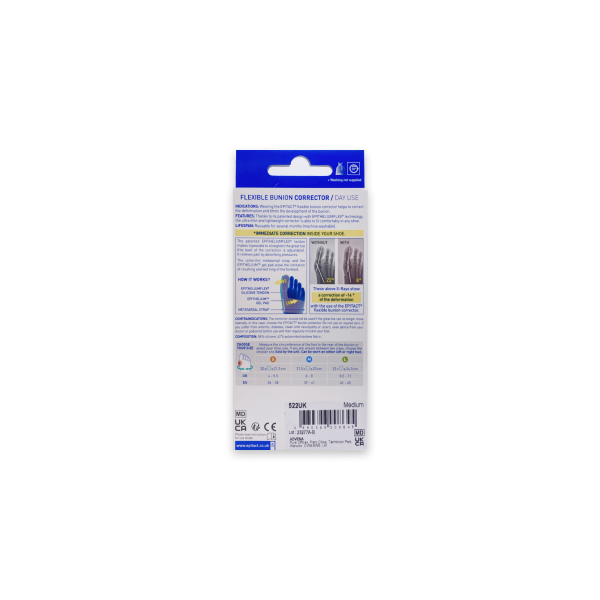
The patented bunion protector is made of:
- a flexible and elastic fabric that allows the protection to stay well in place throughout the day. This fabric is also extremely comfortable thanks to its softness and thin and flat seams that do not create skin sensitivity.
- an ultra-thin silicone gel pad that does not add further pressure in the shoe and reduces pressure and friction on the bunion. Indeed, thinness is a core feature of a good bunion protector. Too thick, it would increase pressure inside the shoe and aggravate the deformity or have consequences for other parts of the foot.
Delivery
Once you have brought Epitact Bunion Protector online, e-Surgery uses Royal Mail for delivery with choices of Royal Mail Tracked 48, Royal Mail Tracked 24, and Royal Mail Special Delivery by 1pm (learn more).
Your medication will be delivered to a delivery address of your choice in discreet and recyclable packaging.
Ingredients
The Epitact Bunion Protector is made up of 61% polyamide/elastane fabric, and 39% silicone.
Warnings
You should not use Epitact Bunion Protector on injured skin.
In case of arteritis, diabetes, lower limb neuropathy or ulcers, seek advice from your doctor or podiatrist before use and then regularly monitor your foot.
Same day dispatch:
0 minutes


Superintendent Pharmacist: Justin Dicks 2038305
© Total Access Health LTD. All rights reserved.
Pharmacy Address: 42 Barnard Road, Norwich, NR5 9JB