


Company News


Rated 4.8
Head Lice Treatments
We've got 4 treatments available to assist you with your Head Lice.
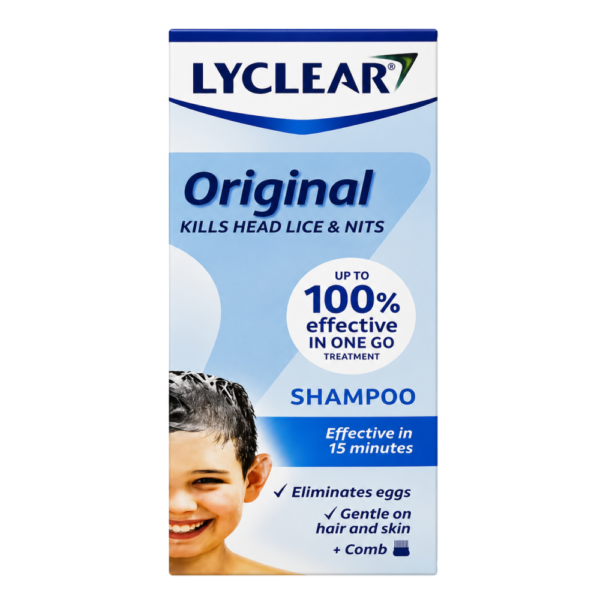
Price From:
£13.95
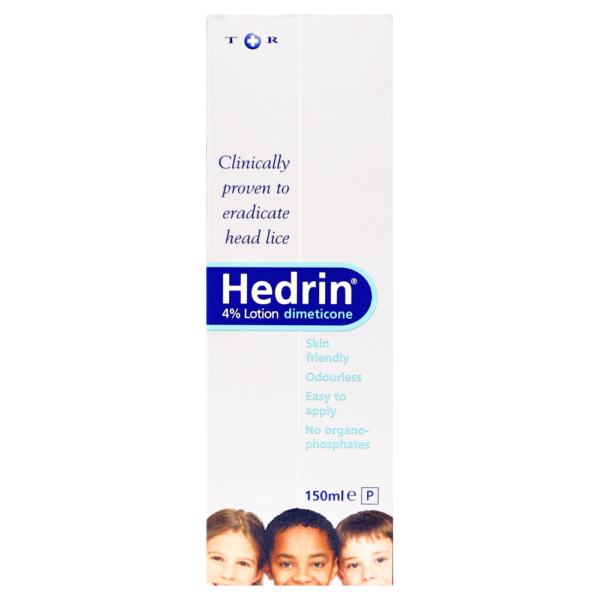
Price From:
£7.95
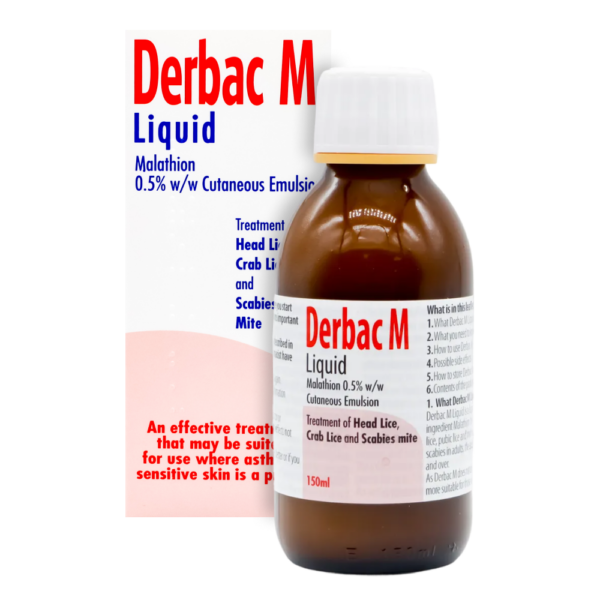
Price From:
£27.95
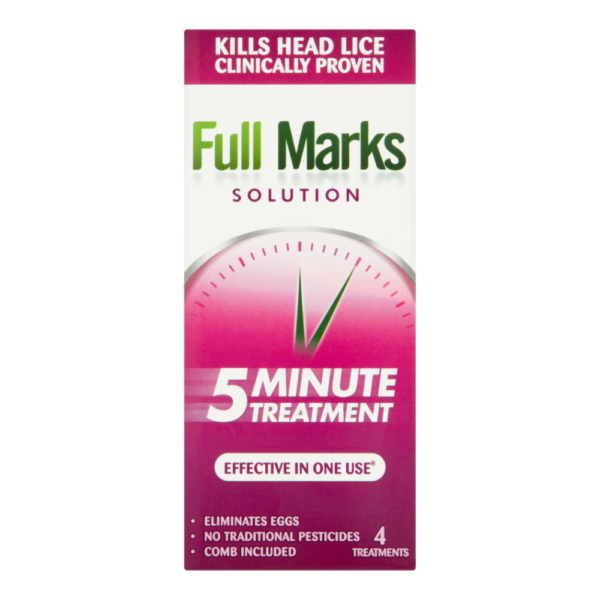
Price From:
£7.95
Frequently Asked Questions
Have a question? We’re here to help.
What happens if you have head lice for too long?
If head lice are left untreated, they can continue to multiply and spread to other people. Female head lice lay several eggs (nits) each day, meaning an infestation can become more difficult to manage over time. Persistent scratching can also cause scalp irritation, sores and, occasionally, secondary bacterial infections.
Although head lice do not usually cause serious health problems, it is best to treat an infestation as soon as live lice are identified.
Where do head lice come from?
Head lice are tiny parasitic insects that live on the human scalp and feed on small amounts of blood. They are usually caught through direct head-to-head contact with someone who already has head lice, which is why they are particularly common among schoolchildren and families.
Head lice are not caused by poor hygiene, dirty hair or an unclean home. They only live on humans and cannot be caught from household pets.
Can head lice jump or fly?
No, head lice cannot jump or fly because they do not have wings or powerful jumping legs. Instead, they crawl from one person’s hair to another when their heads come into close contact. This is the most common way head lice spread, particularly during activities such as playing, hugging or sharing a bed.
Although less common, lice can occasionally spread through shared personal items such as hairbrushes, hats and towels.
See more

Related Articles
See More

We deliver your medication in FULLY recyclable packaging with special next day delivery!
Order Now


Registered Pharmacy Number: 9012167
Superintendent Pharmacist: Justin Dicks 2038305
© Total Access Health LTD. All rights reserved.
Pharmacy Address: 42 Barnard Road, Norwich, NR5 9JB